One-Closing VA Construction Financing
A VA One-Time Close construction-to-permanent loan allows you to finance your land and the construction of your home with a single closing. The loan automatically transitions into your long-term VA mortgage once construction is complete. There is no second closing and no need to refinance.
- One closing for land and construction
- Permanent interest rate locked upfront
- Full VA loan benefits from start to finish
- Automatic transition into your 15- or 30-year fixed-rate mortgage
Why one closing beats two
With a VA One-Time Close construction loan, there’s no separate construction loan to pay off and no second closing when the house is done. Your loan simply converts to your 15- or 30-year fixed VA mortgage, with no private mortgage insurance and no down payment on loans up to $1 million.
How the Construction-to-Permanent Conversion Works
A VA One-Time Close construction loan combines the construction phase and permanent mortgage into one continuous loan. You close once at the beginning, and when construction is complete, the loan modifies into your long-term VA mortgage without a second closing.
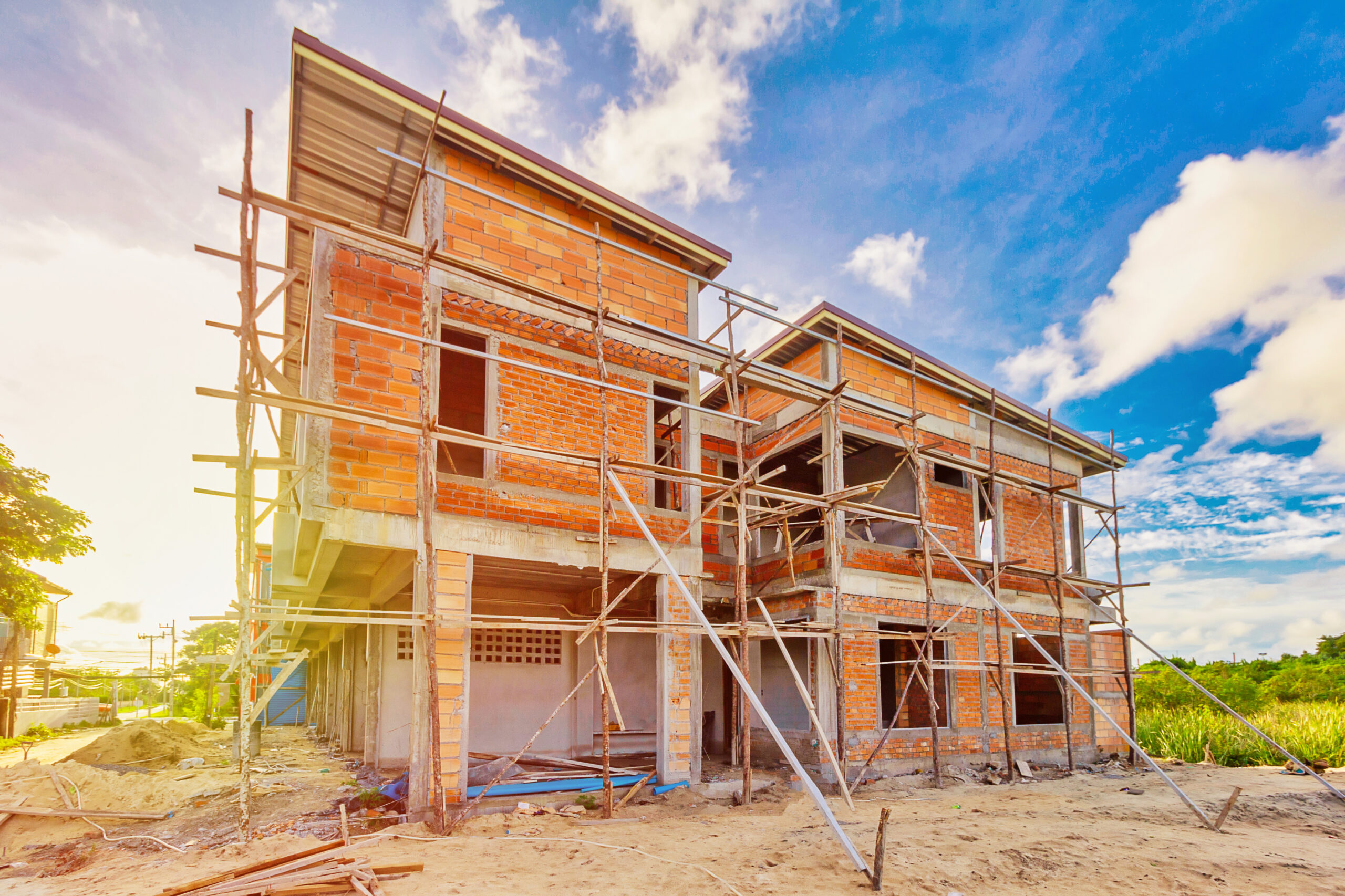
- Construction Phase: Funds are released to the builder in approved stages based on progress. The interest reserve and construction management fee are built into the loan amount and paid by the builder, so you make no payments during the 12-month construction period.
- Final Inspection and Certificate of Occupancy: Once the home is complete and all required inspections are finalized, the loan is prepared for modification.
- Automatic Transition to Permanent Financing: The loan converts into your 15- or 30-year fixed-rate VA mortgage with no refinance and no additional lender closing costs.
With a VA One-Time Close loan, you can finance the land purchase or land payoff and the construction together in a single closing.
Explore One-Time Close Options
Pros and cons of a VA construction-to-permanent loan
A construction-to-permanent loan works well for many Veterans, but it isn’t the right tool for every project.
Pros
- $0 down on loans up to $1 million. Loans over $1 million (up to a $2 million maximum) need 5% down.
- No payments while you build. The interest reserve and construction management fee are built into the loan amount and paid by the builder.
- Rate protection. 360-day construction rate locks are available, so a changing market during the build doesn’t change your permanent payment.
- Unused contingency works for you. Any contingency reserve left over is applied to your principal when the loan converts.
- Funding fee flexibility. The VA funding fee can be financed into the loan, and Veterans receiving VA disability compensation are exempt.
- Appraisal protection. The home is appraised before closing based on the plans and specifications, and the plans must meet VA Minimum Property Requirements, which helps keep you from overpaying.
Cons
- More work upfront. You’ll need final plans and specifications, a fixed-price builder contract and a budget before closing. Expect about 2–3 months to close, then a 12-month construction period.
- Your builder must qualify. The builder must be approved by the lender before closing. Owner-builders and do-it-yourself work aren’t allowed.
- Not every property type works. Attached homes, co-ops, container homes, working farms or ranches, and lots where construction has already started are ineligible.
- Lower 48 only. VA construction loans are available in the 48 contiguous states and D.C., not Alaska or Hawaii.
What we look at beyond the basics
Residual income comes first: the money left each month after major expenses, measured against your family size. A higher debt-to-income ratio is often fine when residual income is strong.
When to Begin the VA One-Time Close Process
A VA One-Time Close construction loan allows eligible Veterans and service members to finance land, construction, and their permanent mortgage with one loan and one closing. Once construction is complete, the loan automatically transitions into a long-term VA mortgage with no second closing and no refinance required.
There is no down payment on loans up to $1 million (loans over $1 million, up to $2 million, need 5% down), and there is no monthly mortgage insurance. You can use land you already own or finance the land purchase as part of the same loan. The builder and plans must meet VA and lender guidelines, and the borrower must meet VA eligibility requirements.
It’s designed for Veterans who are ready to build a primary residence and want a 15- or 30-year fixed rate with no PMI.
How We Help as Your Construction Finance Partner
A VA One-Time Close construction loan involves detailed coordination between you, your builder, underwriting, and the construction department. We coordinate each of those pieces from application to conversion.
Builder Approval Coordination
Your builder does not need to be VA registered, but they must be approved by the lender prior to closing. We manage the builder approval process, including licensing, insurance verification, and required documentation, to keep your project on schedule.
Accurate Project Budget Structuring
We ensure the builder’s fixed price contract includes all required items to complete the home and obtain a Certificate of Occupancy, along with the required contingency reserve. On VA loans, construction related soft costs are structured properly within the loan guidelines from the beginning.
Appraisal and Draw Oversight
The home is appraised subject to final plans and specifications before closing. During construction, funds are released in approved stages after inspection, title update, and your written authorization, ensuring progress is verified before payment is made.
Eligibility for a VA One-Time Close Construction Loan
A VA One-Time Close construction loan allows eligible Veterans to finance the construction of a primary residence with one loan and one closing. The construction phase and permanent mortgage are combined upfront and automatically transition once the home is complete.
- Service Eligibility: You must have a valid Certificate of Eligibility based on active duty service, National Guard or Reserve service, or eligible surviving spouse status.
- Credit and Income: VA construction loans start at a 620 minimum credit score, and larger loan amounts may need a higher score. You’ll also need stable, documented income and enough residual income for your family size.
- Primary Residence Requirement: The home must be your primary residence. VA construction loans cannot be used for investment properties, second homes, or speculative builds.
- Builder and Property Requirements: The home must be built by a qualified builder (licensed where your state or city requires it) who is approved by the lender before closing, and the property must meet VA Minimum Property Requirements for safety and structural integrity.
Check Minimum property requirements
Step-by-Step Process: From Land to Keys
Building a home has a lot of moving parts, but with a VA One-Time Close construction-to-permanent loan, everything is structured into one streamlined process and one closing.
Vision and Pre-Approval
We verify your Certificate of Eligibility, credit, income, and assets to determine your total budget, including land purchase or payoff and full construction costs.
Choose Your Lot & Builder
You select your land and licensed builder. We coordinate builder approval and confirm your plans and specifications meet VA and lender guidelines.
Subject-To Appraisal
The home is appraised based on your final plans and specifications to determine the projected value of the completed property.
One-time Closing
You close once. The construction phase and permanent VA mortgage are combined, and your long-term interest rate is locked upfront.
Construction & Draw Process
Funds are released to the builder in approved stages. Each draw requires inspection, title update, and your written authorization before payment is issued.
Completion and Move-In
After final inspection and issuance of the Certificate of Occupancy, your loan transitions into your permanent VA mortgage with no second closing and no additional lender closing costs.
see the VA construction loan process timeline
What goes into the loan: see how a VA construction loan is figured, from the lot and build to the interest reserve, fees and your payment after the build.
Frequently Asked Questions
What is the difference between a VA construction loan and a construction-to-permanent loan?
Some lenders use “construction loan” to mean short-term financing used only during the building phase, whereas a VA construction-to-permanent loan combines both construction and long-term mortgage into one structured loan.
With a construction-only loan, you would need to refinance or take a separate mortgage after the home is built. In contrast, a construction-to-permanent loan automatically converts into a standard VA mortgage once construction is complete, eliminating the need for a second loan and reducing overall complexity.
How does the loan convert from construction to a permanent mortgage?
The loan begins as a construction loan, where funds are released in stages (called draws) as the home is built. Once construction is completed and passes final inspection, the loan automatically transitions into a permanent VA mortgage.
This conversion does not require a second closing or requalification in most cases, so you know what to expect when the home is finished.
What costs are included in a VA construction-to-permanent loan?
This loan can cover a wide range of costs associated with building your home, including:
- Land purchase (if not already owned)
- Construction materials and labor
- Builder fees
- Permits and inspections
- Architectural and design costs
Because everything is bundled into one loan, you don’t need separate financing for different stages of the project, which simplifies budgeting and financial planning.
What happens if construction costs exceed the approved loan amount?
VA construction-to-permanent loans are typically based on a fixed construction contract, which helps prevent cost overruns.
If you request changes beyond the approved plans, you may need to cover the difference out of pocket. The budget also includes a required contingency reserve, and any unused contingency is applied to your principal when the loan converts.
Can I choose any builder for a VA construction-to-permanent loan?
No, you must work with a lender-approved builder. VA no longer issues builder IDs; your builder must be approved by the lender before closing and build under a fixed-price contract. Owner-builders and DIY work aren’t allowed.
The builder must meet specific requirements, including licensing, insurance, and experience. This ensures the project meets VA property standards and reduces the risk of delays or construction issues.
Is the interest rate locked during the construction phase?
Yes. Your rate is locked before construction begins, and 360-day construction rate locks are available.
This protects borrowers from market fluctuations during the construction period and provides more certainty when planning long-term mortgage payments.
Get Started Today
Connect with VA construction-to-permanent loan lender Shirley Mueller, Sr. VP of Veteran Lending, and her team to start your VA construction loan.